
Search Engine Optimization (SEO) is still one of the most powerful digital marketing strategies in 2026. With search engines growing smarter and businesses more competitive, understanding modern SEO is essential for visibility, traffic, and revenue.
SEO (Search Engine Optimization) is the process of optimizing your website so it appears higher in search engine results — especially Google. When done right, SEO attracts organic (unpaid) traffic, builds trust, and increases conversions.
✔ Higher Credibility: Users trust top organic rankings more than ads.
✔ Better ROI than paid ads: Organic traffic keeps coming without ongoing ad spend.
✔ 24/7 Lead Generation: Your site works for you even while you sleep.
✔ Improved User Experience: SEO encourages faster, user-friendly websites.
🌐 Core Web Vitals & User Experience
Google ranks pages based on load speed, interactivity, and visual stability. Fast, seamless sites outrank slow ones.
🔍 Intent-Driven Content
Search engines no longer focus just on keywords; they analyze why users search and match content that truly answers the question.
📱 Mobile-First Indexing
Google predominantly uses the mobile version of a site for indexing and ranking — mobile-friendly sites are essential.
🤖 AI & Semantic Search
AI helps Google understand context. SEO content should be informative, natural, and user-focused.
📈 Voice Search Optimization
Voice assistants choose concise, relevant results. Use conversational, long-tail keywords for voice search optimization.
Keyword Research
Use tools like Google Keyword Planner and Ahrefs to find relevant terms with good search volume and realistic ranking potential.
Technical SEO
Improve site loading speed
Use structured data (schema markup)
Ensure clean site architecture
Content Optimization
Create helpful blogs & landing pages
Update old content
Use headers and proper formatting
Local SEO
Optimize Google Business Profile, collect reviews, and ensure consistent NAP (Name, Address, Phone) across listings.
Backlink Building
Earn links from high-authority sites through guest posting, partnerships, and valuable content.
Track performance using:
📊 Google Analytics
🔎 Google Search Console
📈 Rank trackers
Important metrics:
Organic traffic
Keyword rankings
Bounce rate
Conversions
Digital marketing allows small businesses to compete with larger brands without massive budgets. With the right strategy, even startups can generate leads and build brand awareness online.
Digital marketing includes all online promotional strategies such as:
✔ SEO
✔ Social media marketing
✔ Google Ads
✔ Email marketing
✔ Content marketing
It helps businesses reach customers where they spend most of their time — online.
✔ Cost-effective compared to traditional ads
✔ Measurable results
✔ Target specific audience
✔ Higher engagement rates
✔ Scalable campaigns
SEO (Search Engine Optimization)
Improves organic visibility on Google.
Social Media Marketing
Builds brand awareness on Instagram, Facebook, LinkedIn.
Google Ads (PPC)
Drives instant traffic and leads.
Content Marketing
Educates customers and builds trust.
Define business goals
Identify target audience
Choose right platforms
Create consistent content
Track performance monthly
Track these metrics:
📊 Website traffic
📈 Conversion rate
💬 Engagement rate
📍 Cost per lead
💰 Return on investment

In today’s digital-first world, your website is your business identity. Whether you run a startup, local shop, or enterprise company, a professional website builds credibility, attracts customers, and drives revenue. In 2026, having only social media is not enough — a strong website is essential.
A website works 24/7 for your business.
✔ Customers can find you anytime
✔ You build brand credibility
✔ You control your brand message
✔ You showcase services professionally
Without a website, customers may question your authenticity.
Studies show users form opinions within seconds.
✔ A professional website ensures:
✔ Clean layout
✔ Fast loading speed
✔ Clear navigation
✔ Mobile responsiveness
✔ Strong call-to-action buttons
A well-designed website:
✔ Converts visitors into leads
✔ Collects inquiries via forms
✔ Integrates WhatsApp chat
✔ Shows testimonials for trust
✔ Displays clear service pricing
When optimized correctly, your website becomes a lead-generation machine.
A website allows you to rank on Google through SEO.
With proper SEO:
📈 You get organic traffic
📍 You attract local customers
💰 You reduce dependency on paid ads
✔ Mobile-friendly design
✔ Fast loading speed
✔ Secure HTTPS
✔ SEO-optimized structure
✔ Clear service pages
✔ Contact forms & inquiry tracking

Many people confuse web design and web development. Though connected, they serve different purposes in building a successful website.
Web design focuses on:
✔ Layout
✔ Colors
✔ Fonts
✔ Images
✔ User experience (UX)
✔ Interface design (UI)
It’s about how the website looks and feels.
Web development focuses on:
✔ Coding
✔ Functionality
✔ Database integration
✔ Server-side programming
✔ Website speed
✔ Technical performance
It’s about how the website works.
✔ Design attracts users
✔ Development ensures smooth performance
✔ Together they improve conversions
✔ Better SEO performance
Front-End Development
Handles user interface elements.
Back-End Development
Manages servers, databases, and application logic.
Full-Stack Development
Combines front-end and back-end expertise.

Online shopping continues to grow rapidly. Businesses without e-commerce platforms miss huge revenue opportunities.
✔ 24/7 selling
✔ Wider customer reach
✔ Lower operational cost
✔ Better data tracking
✔ Automated payments
✔ Secure payment gateway
✔ Product filtering options:
✔ User-friendly checkout
✔ Mobile optimization
✔ Inventory management
✔ Order tracking
Optimize:
✔ Product titles
✔ Product descriptions
✔ Category pages
✔ Internal linking
✔ Image alt text
📌 High-quality product images
📌 Clear pricing
📌 Customer reviews
📌 Limited-time offers
📌 Easy returns policy
If you run a local business, you probably want customers from your city to find you easily on Google. But here’s the truth — if you’re not showing up in local search results, your competitors are getting those customers instead. That’s where Local SEO comes in.
Local SEO helps your business appear when someone searches for services “near me” or in a specific city.
For example:
✔ “Website developer in Bangalore”
✔ “Best digital marketing agency near me”
If your website and online profiles are optimized correctly, Google will show your business to nearby customers who are actively searching.
One of the biggest mistakes businesses make is ignoring their Google Business Profile.
Make sure you:
✔ Add correct business details
✔ Update your working hours
✔ Upload real office photos
✔ Respond to reviews
✔ Keep your phone number consistent
This alone can dramatically improve your local visibility.
Your city name should naturally appear in:
✔ Website titles
✔ Service pages
✔ Blog posts
✔ Meta descriptions
But don’t overdo it. Keep it natural. Google prefers helpful content over keyword stuffing.
People trust reviews more than advertisements.
When customers leave positive reviews:
✔ Your credibility increases
✔ Google rankings improve
✔ Conversion rates grow
Encourage happy customers to leave honest feedback.

In today’s digital world, having a strong online presence is important for every business. But simply having a website is not enough — people need to find it. That’s where SEO (Search Engine Optimization) helps businesses grow faster and reach the right audience online.
SEO helps your website appear higher on Google when customers search for products or services related to your business.
For example:
✔ “Best digital marketing agency”
✔ “Website development company near me”
Higher visibility means more people can discover your business online.
One of the biggest benefits of SEO is attracting customers who are already searching for your services.
SEO helps businesses:
✔ Reach the right audience
✔ Increase quality website visitors
✔ Improve customer inquiries
✔ Generate better leads
This increases the chances of conversions and business growth.
People trust businesses that appear on the first page of Google.
SEO improves:
✔ Website authority
✔ Brand trust
✔ Customer confidence
✔ Online reputation
A trusted brand often attracts more customers and repeat business.
Unlike paid ads that stop when the budget ends, SEO provides long-term results.
With strong SEO:
✔ Organic traffic increases
✔ Lead generation improves
✔ Sales opportunities grow
✔ Business visibility stays consistent
A proper SEO strategy helps businesses achieve sustainable online growth over time.
In today’s competitive market, businesses need fast and effective ways to reach potential customers. Google Ads helps businesses appear at the top of search results, attract targeted visitors, and generate quality leads quickly through paid advertising campaigns.
Google Ads displays your business when people search for products or services related to your business.
For example:
✔ “Best SEO company near me”
✔ “Website development services”
This helps businesses connect with customers who are already interested and ready to take action.
One of the biggest advantages of Google Ads is precise targeting.
Businesses can target:
✔ Specific locations
✔ Target audience interests
✔ Relevant keywords
✔ Customer search intent
This improves lead quality and increases conversion opportunities.
Unlike SEO, which takes time, Google Ads can deliver traffic and leads quickly.
Google Ads helps businesses:
✔ Increase website traffic
✔ Get more inquiries
✔ Improve conversions
✔ Boost sales opportunities
This makes it ideal for businesses looking for immediate visibility and growth.
Google Ads campaigns can be continuously optimized for better performance and return on investment.
With proper management:
✔ Ad performance improves
✔ Cost per lead reduces
✔ Conversions increase
✔ Marketing budget works smarter
A well-managed Google Ads strategy helps businesses generate consistent, high-quality leads and long-term growth.
For small businesses, attracting local customers is essential for steady growth. Local SEO helps your business appear in location-based searches, improve visibility on Google, and attract nearby customers who are actively looking for your products or services.
A well-optimized Google Business Profile helps your business appear in Google Maps and local search results.
Make sure you:
✔ Add accurate business details
✔ Upload business photos
✔ Update business hours
✔ Respond to customer reviews
This improves trust and increases local visibility.
Include your city or service area naturally across your website content.
For example:
✔ “SEO Company in Bangalore”
✔ “Website Design Services in Hyderabad”
✔ “Digital Marketing Agency Near Me”
This helps search engines understand your business location and target audience.
Positive customer reviews play a major role in local SEO rankings and customer trust.
Reviews help businesses:
✔ Build credibility
✔ Improve local rankings
✔ Increase customer trust
✔ Generate more inquiries
Encourage satisfied customers to leave honest reviews on Google.
Your business name, phone number, address, and website details should remain consistent across all platforms.
Consistency helps:
✔ Improve local rankings
✔ Build trust with Google
✔ Avoid customer confusion
✔ Strengthen online presence
A strong Local SEO strategy helps small businesses attract more local customers and achieve long-term business growth.
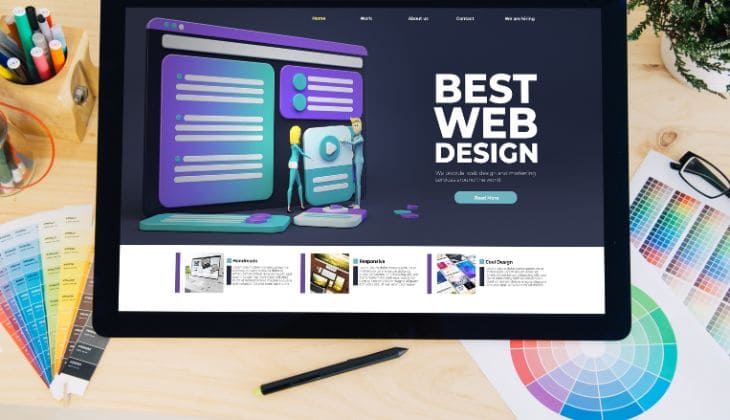
Website design in 2026 is all about speed, simplicity, and user experience. Modern websites focus on clean layouts, mobile-first design, and interactive elements that keep users engaged while improving conversions and brand trust.
Most users browse websites on mobile devices, so responsive design is now essential for better usability and rankings.
Key improvements include:
✔ Faster mobile loading speed
✔ Easy navigation on small screens
✔ Optimized images and layouts
Mobile-first design improves user experience and reduces bounce rates.
Simple and clutter-free designs help users focus on important content and actions.
Modern websites use:
✔ Clean spacing and typography
✔ Limited colors and distractions
✔ Strong visual hierarchy
This improves readability and user engagement.
Websites are becoming smarter by showing personalized content based on user behavior.
This helps businesses:
✔ Increase user engagement
✔ Improve conversions
✔ Deliver relevant content
AI-driven design creates a more customized browsing experience.
Modern websites include animations, micro-interactions, and dynamic elements to improve user experience.
Benefits include:
✔ Better engagement
✔ Improved brand experience
✔ Higher user retention
These trends make websites more engaging and visually appealing.
Improving your Google ranking quickly requires a combination of strong SEO practices, quality content, and technical optimization. While SEO is a long-term strategy, the right steps can help your website gain visibility and start ranking faster on search engines.
On-page SEO helps search engines understand your website content and relevance.
Focus on:
✔ Keyword-rich titles and headings
✔ Proper meta descriptions
✔ Internal linking structure
✔ Image optimization with alt tags
Well-optimized pages improve your chances of ranking higher in search results.
A fast-loading website provides a better user experience and is favored by Google.
Key improvements include:
✔ Compress images
✔ Use caching techniques
✔ Reduce unnecessary scripts
Faster websites help reduce bounce rates and improve rankings.
Content plays a major role in improving search rankings and attracting organic traffic.
Good content should:
✔ Solve user problems
✔ Be informative and engaging
✔ Include relevant keywords naturally
Regular blogging helps search engines index your site faster.
Backlinks from trusted websites improve your domain authority and search ranking.
Focus on:
✔ Guest posting
✔ Business directories
✔ Relevant industry links
Quality backlinks signal trust and improve your website’s ranking potential.

Ecommerce SEO is essential for online stores that want to increase visibility, attract shoppers, and boost sales. A well-optimized ecommerce website helps products rank higher on Google and improves the chances of converting visitors into customers.
Product pages are the most important part of ecommerce SEO and must be fully optimized.
Make sure you include:
✔ Unique product titles and descriptions
✔ High-quality product images
✔ SEO-friendly URLs
✔ Clear product benefits and features
Well-optimized product pages improve rankings and increase conversions.
A clear website structure helps users and search engines easily find products.
Focus on:
✔ Simple category structure
✔ Easy navigation menus
✔ Internal linking between products
Good structure improves user experience and SEO performance.
Most ecommerce traffic comes from mobile devices, so mobile optimization is crucial.
Ensure:
✔ Fast mobile loading speed
✔ Responsive design
✔ Easy checkout process
A mobile-friendly store increases sales and reduces cart abandonment.
Content helps search engines understand your products and match them with customer searches.
Focus on:
✔ Keyword-rich product descriptions
✔ Blog content for ecommerce topics
✔ FAQ sections for products
Strong content improves visibility and drives organic traffic to your store.
Social media marketing is one of the most powerful ways to grow your brand, connect with your audience, and drive traffic to your website. A strong strategy helps businesses build awareness, engage customers, and generate leads consistently across platforms like Facebook, Instagram, LinkedIn, and more.
Before posting content, it’s important to clearly define what you want to achieve and who you want to reach.
Focus on:
✔ Brand awareness
✔ Lead generation
✔ Website traffic
✔ Audience engagement
Understanding your audience helps create more effective and targeted content.
Content is the core of any successful social media strategy. It should attract attention and encourage interaction.
Use:
✔ Eye-catching images and videos
✔ Informative posts and tips
✔ Polls, reels, and stories
Engaging content helps build stronger connections with your audience.
Consistency is key to staying visible and relevant on social media platforms.
Best practices include:
✔ Regular posting schedule
✔ Content calendar planning
✔ Maintaining brand voice
Regular activity helps increase reach and audience trust.
Monitoring your social media performance helps you understand what works best.
Track:
✔ Engagement rates
✔ Follower growth
✔ Click-through rates
Analyzing results allows you to improve your strategy and achieve better outcomes over time.
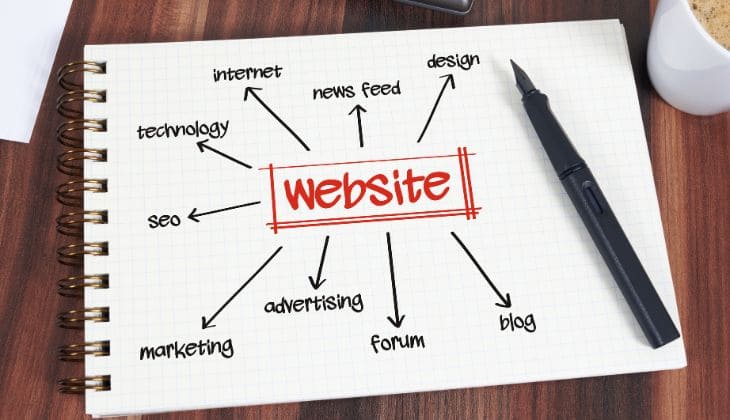
In today’s digital-first world, a professional website is no longer optional—it is essential for business credibility, customer trust, and long-term growth. Your website acts as your online identity, helping potential customers learn about your services anytime, anywhere.
A well-designed website creates a strong first impression and helps customers trust your business.
Key benefits include:
✔ Professional brand image
✔ Increased customer confidence
✔ Better business reputation
✔ 24/7 online presence
Customers are more likely to choose businesses that look professional and reliable online.
A website helps your business appear on search engines like Google when customers search for your products or services.
With proper SEO, you can achieve:
✔ Higher search rankings
✔ More organic traffic
✔ Greater brand exposure
This makes it easier for potential customers to find your business online.
A website works as a powerful marketing tool that helps convert visitors into customers.
It helps businesses:
✔ Capture leads through forms
✔ Showcase products and services
✔ Increase inquiries and sales
A well-optimized website directly supports business growth and revenue generation.
Unlike a physical store, a website is always available for your customers.
This means:
✔ Customers can browse anytime
✔ Instant access to information
✔ Continuous lead generation
A website ensures your business never misses an opportunity, even outside working hours.
Local SEO plays a crucial role in helping businesses attract nearby customers, improve online visibility, and increase real-world sales. It ensures your business appears in local search results when people search for products or services in their area.
Local SEO connects your business with people who are actively searching for services near them.
Key benefits include:
✔ Better visibility in local searches
✔ More foot traffic to your store
✔ Higher chances of conversions
✔ Strong local brand presence
This helps small and medium businesses compete effectively in their local market.
A strong Local SEO strategy ensures your business appears on Google Maps and “near me” searches.
This helps you get:
✔ More calls and inquiries
✔ Easy directions for customers
✔ Higher trust from users
Google Maps visibility is essential for driving real-time local customers.
Local SEO improves your reputation through customer reviews and consistent business information.
It helps businesses gain:
✔ Positive customer reviews
✔ Higher trust ratings
✔ Stronger online reputation
Customers are more likely to choose businesses they can trust locally.
By targeting local intent searches, Local SEO brings high-quality leads that are more likely to convert.
It helps businesses achieve:
✔ More qualified leads
✔ Higher conversion rates
✔ Increased sales opportunities
A strong Local SEO strategy directly supports consistent business growth in your target area.
The Ultimate Guide to SEO in 2026: What Your Business Needs to Know
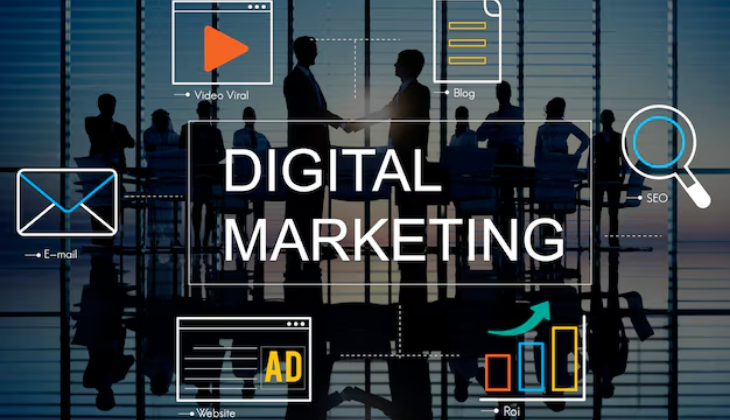
Complete Guide to Digital Marketing for Small Businesses

Why Every Business Needs a Professional Website in 2026

Web Development vs Web Design: What’s the Difference?

E-Commerce Website Development: Complete Business Guide
A Simple Guide to Local SEO for Small Businesses in India
Benefits of SEO for Business Growth
How Google Ads Help Businesses Generate Leads
Local SEO Tips for Small Businesses
Latest Website Design Trends 2026
How to Improve Google Ranking Fast
Ecommerce SEO Checklist
Social Media Marketing Strategy Guide
Why Every Business Needs a Professional Website
Importance of Local SEO for Business Growth

Recent Comments